You know that sinking feeling, right? A client calls asking about a property, but you can’t find their details. Your team forgot to follow up on an inquiry from yesterday. A golden lead slips through your fingers because no one tracked the conversation. In the fast-paced world of real estate in India, losing leads isn’t just frustrating it’s leaving money on the table.
Here’s the truth: managing real estate leads without a proper system is like trying to construct a building without a blueprint. You’ll have chaos, missed opportunities, and angry clients wondering why you didn’t call them back.
But what if I told you there’s a better way?
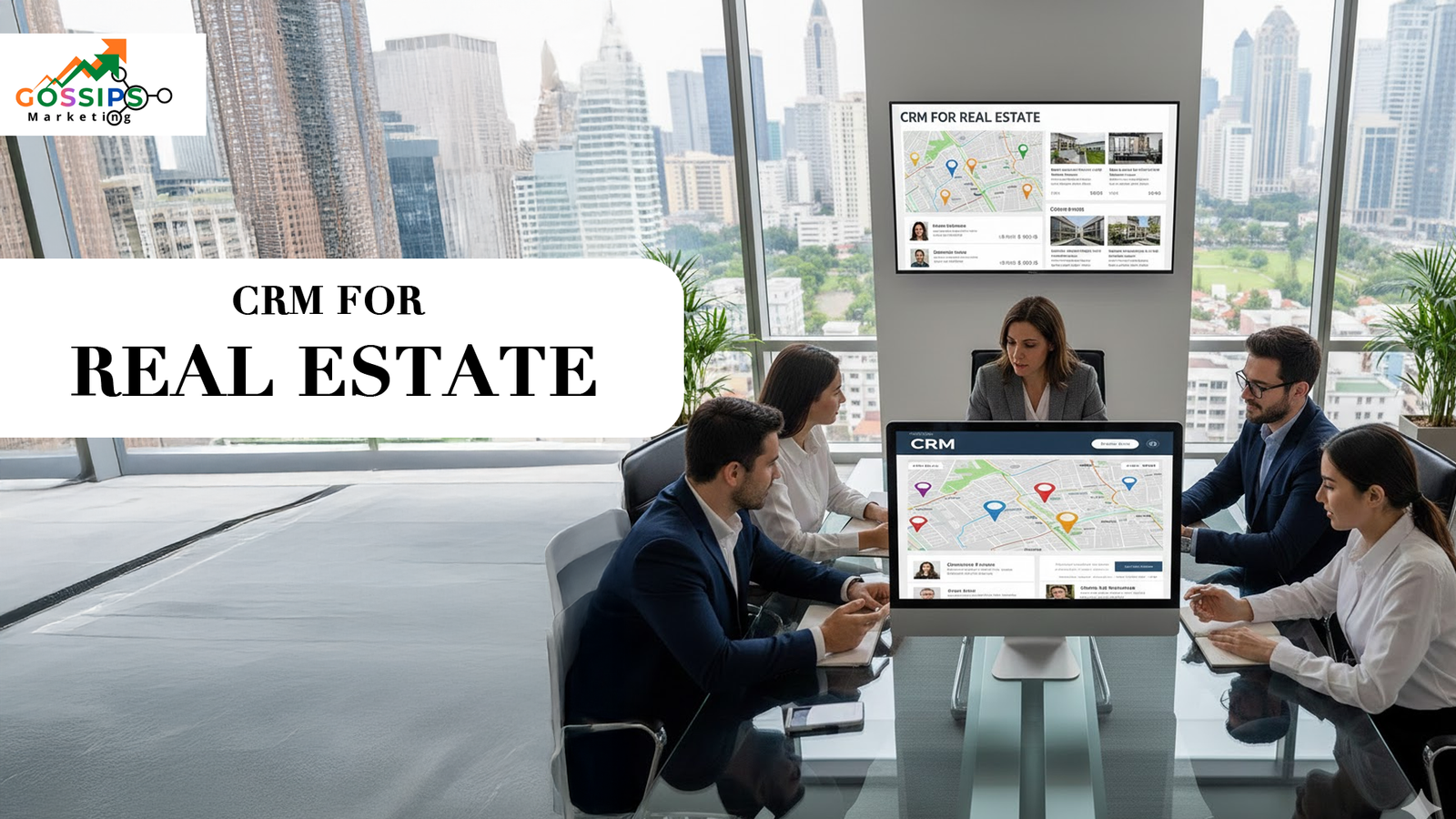
A Real Estate CRM (Customer Relationship Management) system is the game-changer your business needs. It’s not just another software tool collecting dust on your computer. It’s a powerful ally that helps you organize every lead, automate follow-ups, track conversations, and ultimately, close more deals. And here’s the best part it transforms how your team works together.
Let’s dive deep into how a CRM can revolutionize your real estate business, especially if you’re managing a growing team in India.
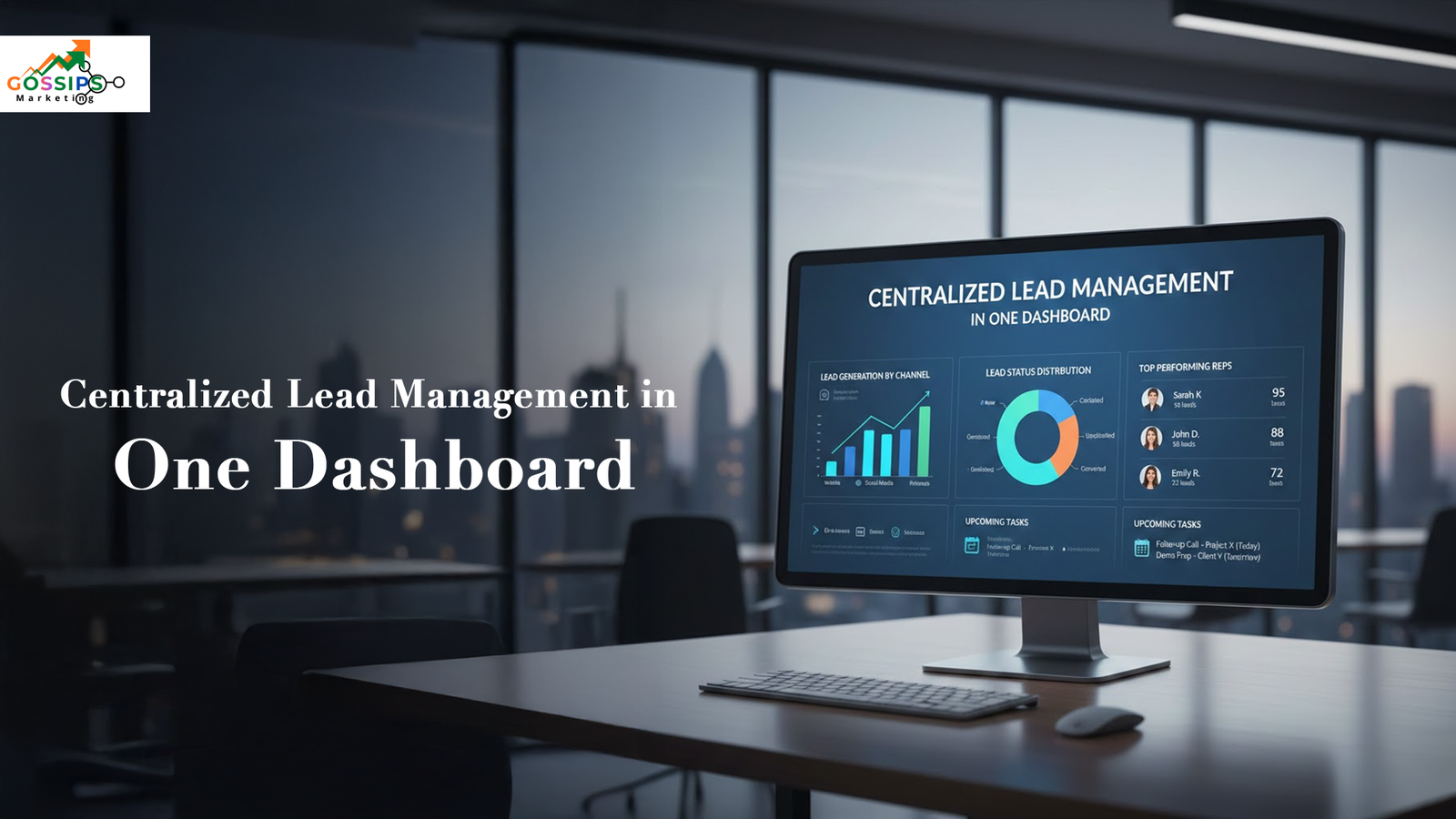
Centralized Lead Management in One Dashboard
Imagine having every single lead past, present, and future accessible from one place. No more scattered spreadsheets. No more sticky notes. No more wondering who talked to which client.
A real estate CRM gives you a centralized dashboard where all your leads live. Whether someone filled out a form on your website, messaged you on WhatsApp, called your office, or contacted you through a property portal, their information lands in the same place. You can instantly see their name, property preferences, budget, timeline, and every interaction they’ve had with your team.
Check Real Estate Business Solution Services :- SEO for Real Estate | Website Development for Real Estate
Why does this matter? When your team is looking for details about a lead, they don’t waste time hunting through emails and old chats. They log in, search the lead’s name, and boom complete history at their fingertips. This transparency means better coordination and fewer embarrassing moments when a team member doesn’t know what the client already discussed.
For Jaipur Dream Homes, implementing a centralized CRM dashboard reduced the time agents spent searching for client information by 70%. Instead of spending 20 minutes digging through files, they now spend 30 seconds finding everything they need.https://gossipsmarketing.com/seo-for-real-estate/

Top Online Digital Marketing Courses in India
If you are exploring online digital marketing courses in India in 2026, you’re entering one of the fastest-growing, most future-proof…

Digital Marketing Course Topics: Complete Syllabus for Beginners in 2026
If you want to learn digital marketing but feel confused about where to start, this guide will help you. Most beginners…
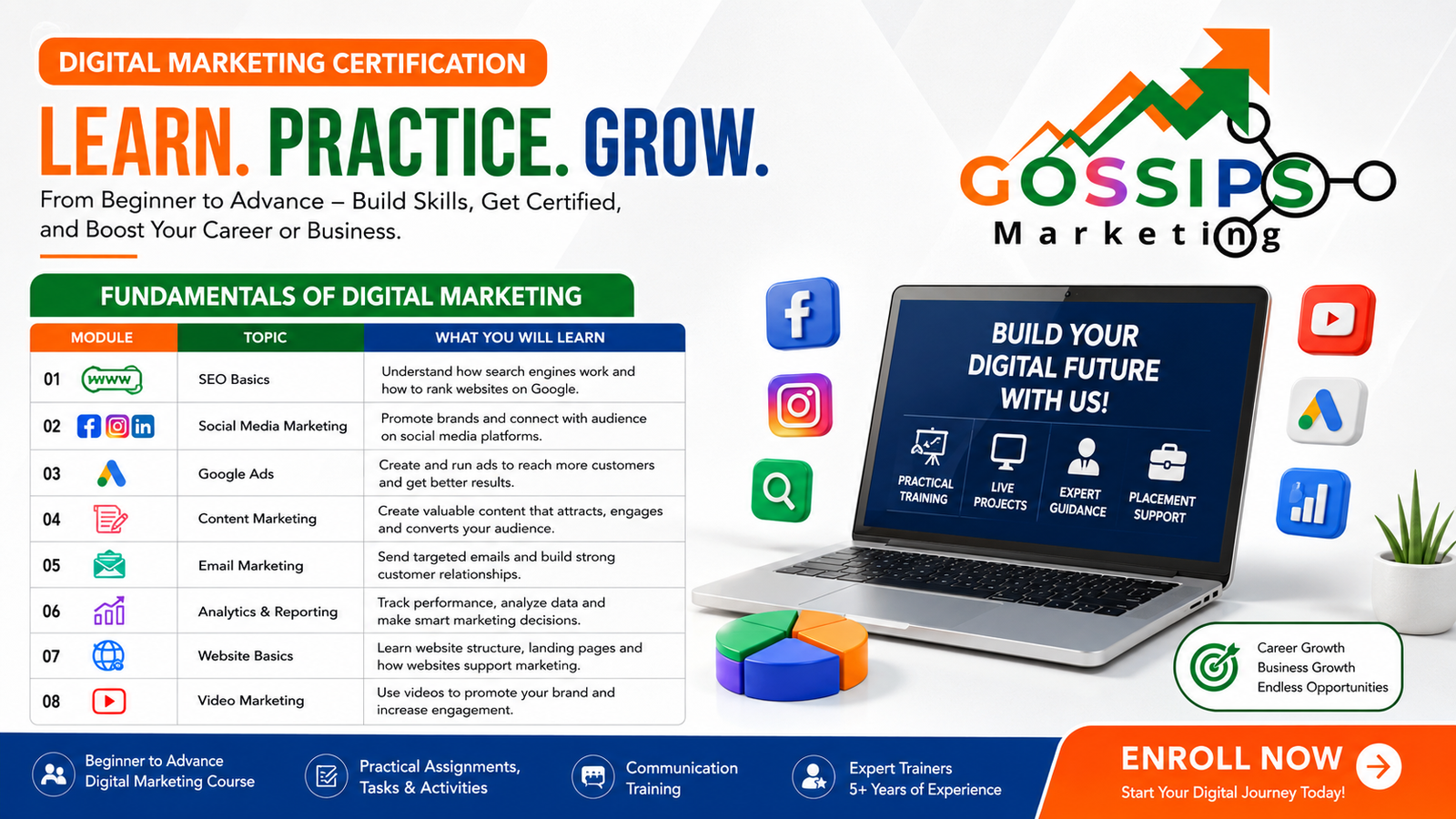
Digital Marketing Certification: A Smart Step for Career and Business
Today, every business wants to grow online. From small shops to big companies, everyone is using the internet to connect…
SEO Agency in USA for Small Businesses in 2026
In 2026, every small business needs a strong online presence to grow faster and reach more customers. A professional SEO…


AI SEO in 2026: Top Strategies to Rank Higher on
AI SEO is changing the future of digital marketing. Today, businesses are using AI powered SEO strategies to improve Google…
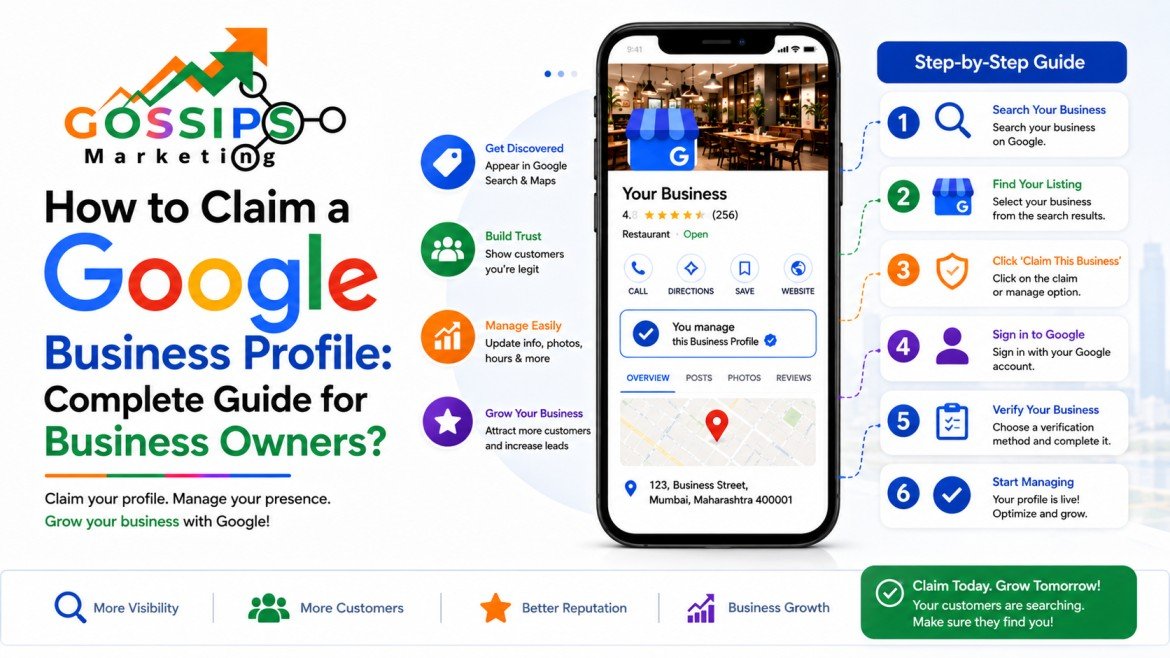
How to Claim a Google Business Profile: Complete Guide for
Introduction When someone searches your business name or “service + near me,” your Google Business Profile (GBP) is often the first…
Faster Follow-Ups = Higher Conversions
Here’s something that might surprise you: the difference between converting a lead and losing it often comes down to timing.
Research shows that in real estate, top-performing teams convert 7-9% of bottom-funnel leads (those actively searching on platforms like 99acres, MagicBricks, or Housing.com). But average teams? They struggle to convert even 5%. The difference? Speed and consistency of follow-ups.
Think about it from a buyer’s perspective. You’re interested in a property, so you fill out an inquiry form. If nobody calls you back within the hour, you’ll probably fill out more forms with other agents. By the time someone finally reaches out, you’ve already moved on.
A CRM automates follow-ups so you’re always on top of things. New lead comes in? The system sends them an automated welcome message. No response after 24 hours? An automatic reminder goes to your team. Interested in viewing? A follow-up email gets scheduled. This consistency keeps your property top-of-mind for buyers, which translates directly into more conversions.
When Jaipur Dream Homes deployed automated follow-up sequences in their CRM, their response rate jumped from 35% to 68% within three months. More responses meant more appointments, which meant more sales.
Smart Lead Tracking From First Call to Site Visit

Every interaction tells a story. A lead calls asking about a 2-bedroom flat in Jagatpura. They mention they have a 6-year-old daughter and need to be close to good schools. They’re willing to visit on Saturday. They seemed interested but had a concern about parking.
Now, here’s the problem without a CRM: all this information lives in an agent’s head or scattered across messages. Fast forward two months that lead hasn’t converted yet. The team has turned over. Nobody remembers that she needs school proximity. The next agent suggests a property with zero nearby schools, and the deal dies.
With a CRM, every detail gets captured. Notes about preferences, concerns, the best times to call, family details it all stays in one place. When that lead becomes active again after two months, the new agent (or even the same agent) knows exactly where things stand. They can pick up the conversation naturally, like they’ve been working with this client all along.
Jaipur Dream Homes started tracking the complete buyer journey in their CRM from initial inquiry to property shortlisting to site visits to final negotiation. This complete visibility meant no lead fell through the cracks. Agents knew exactly which phase each lead was in and what needed to happen next.
Automatic Lead Assignment to Sales Team
Here’s a common scene in real estate agencies: a lead comes in, and for three hours, nobody knows who should follow up. Then two agents independently reach out, creating confusion. Or worse, nobody reaches out because everyone assumes someone else will handle it.
A good CRM solves this with intelligent lead assignment. You set up rules maybe leads from Vaishali go to Agent A, leads from Raja Park go to Agent B, or high-budget leads go to your top performer. The system automatically routes each incoming lead to the right person. No delays, no overlap, no confusion.
What’s the result? Every lead gets immediate attention. Your best agents work on the most promising leads. Junior agents develop skills with simpler leads. Your team operates like a well-oiled machine instead of tripping over each other.
For a team of 8 agents, Jaipur Dream Homes’ CRM cut the lead assignment confusion by 100%. Instead of waiting and hoping someone picked up a lead, the system guaranteed every lead was claimed within minutes of arrival.
Better Customer Experience & Trust Building
Here’s something often overlooked: clients notice when you’re organized. When you call them back within an hour of their inquiry, they think, “Wow, this agent is serious about my business.” When you remember that they mentioned they have young kids and you proactively suggest family-friendly properties, they think, “This agent actually listens to me.”
A CRM empowers your team to deliver this kind of personalized, attentive experience. Because everything is documented, every team member can continue conversations smoothly. Your client never has to re-explain their budget or preferences. Nobody asks them the same questions twice.
This consistent, thoughtful service builds trust rapidly. Trust leads to commitment. Committed clients close faster and are more likely to refer their friends and family to you.
Accurate Sales Pipeline & Deal Status Visibility
In real estate, deals move in stages. A lead is a prospect. A prospect who visits a property becomes an active buyer. An active buyer who makes an offer becomes a negotiating party. A negotiating party who finalizes documentation becomes a client.
Without visibility into these stages, chaos ensues. You don’t know which deals are about to close, which need intervention, and which are stalled. Your management team can’t forecast revenue. Your sales team can’t prioritize their efforts effectively.
A CRM creates a crystal-clear sales pipeline. Every deal sits in a visible stage. Managers can see at a glance: 15 deals in “Initial Meeting,” 8 in “Property Shortlisting,” 3 in “Site Visit Scheduled,” 2 in “Offer Made.” This visibility allows proactive intervention. If a deal is stuck in “Site Visit Scheduled” for two weeks, someone notices and nudges it forward.
Jaipur Dream Homes used their CRM dashboard to create weekly pipeline reports. Suddenly, the management team could see which agents were struggling, which leads needed attention, and which projects had momentum. They made data-driven decisions instead of guessing.
Data-Driven Decisions With Real-Time Reports
Here’s where CRM truly shines: the insights.
Your CRM doesn’t just store data it analyzes it and presents findings in reports. How many leads are coming from your website vs. 99acres vs. WhatsApp? Which agent has the highest conversion rate? What’s the average time from first contact to site visit? Which properties are generating the most inquiries? What’s your ROI on that Facebook campaign?
When you have these insights, you can make smarter decisions. If you see that 80% of leads come from 99acres but your highest conversion rate is from WhatsApp referrals, maybe it’s time to invest more in building a strong referral network. If Agent A converts 12% while Agent B converts 4%, you’ve found a champion to mentor others.
Real-time reports also mean real-time course correction. If your lead volume dropped 40% compared to last week, you spot it immediately instead of realizing it three months later. You can investigate, troubleshoot, and adjust quickly.
Improved Team Productivity & Accountability
A CRM makes accountability simple and fair. When every action is logged who called whom, who sent which message, when follow-ups were scheduled it creates natural transparency. Agents know their work is visible, so they stay diligent. Managers can spot productivity trends and celebrate high performers.
Moreover, CRM automation frees your team from administrative busywork. Instead of spending an hour a day updating spreadsheets, organizing files, and searching for information, agents focus on what they do best: talking to clients, showing properties, building relationships.
This productivity boost has a ripple effect. Agents close more deals because they’re not bogged down in admin work. Your best people don’t leave because they feel frustrated by inefficient systems. Your company scales faster.
Easy Management of Site Visits & Call Logs
In real estate, site visits are golden. A buyer who visits a property is 10x closer to buying than someone who’s just browsing online. Similarly, quality calls move deals forward.
A CRM tracks every site visit and call. You know which properties are getting site visit requests, which dates are most popular, which agents scheduled the most visits, and crucially, what happened after the visit. Did the client love it? Are they interested in similar properties? Any concerns to address?
Call logs are equally powerful. Every conversation is recorded (with consent) and transcribed. Your team can review calls to understand client objections, practice closing techniques, and ensure compliance with regulations. New agents can listen to top performers’ calls and learn by example.
For Jaipur Dream Homes, tracking site visit data revealed fascinating patterns. Saturday mornings were the most popular viewing time. Families with children overwhelmingly visited properties with nearby schools. 85% of visitors who saw three or more properties eventually bought. These insights shaped their strategy more properties shown, more tailored matching, faster sales.
Higher ROI on Property Marketing Campaigns
Every rupee you spend on marketing should bring leads and, ultimately, revenue. But how do you know which campaigns are working?
A CRM tracks which leads come from which campaigns. You can see that your Facebook ads for 2BHK flats in Vaishali generated 45 leads, 6 of whom visited a property, and 2 of whom eventually bought. That’s a conversion rate of 4.4% from that campaign. Compare that to your Google Ads campaign for luxury plots, which generated 80 leads but only 1 purchase (1.25% conversion). Suddenly, you know which channels deserve more budget.
This ROI tracking extends beyond lead generation to actual revenue. A sophisticated CRM can tell you the exact revenue generated from each marketing campaign. Now you’re not guessing you’re making decisions based on hard numbers.
Scalable System for Growing Real Estate Businesses
When you’re managing 5 properties and working solo, you can probably keep everything in your head. But when you’re managing 50 properties and have a team of 10? You need systems that scale.
A good CRM scales with you. Add more properties, more agents, more clients the system handles it without breaking a sweat. A cloud-based CRM means your team can work from anywhere. Someone selling a property in Jaipur can access the same complete database as someone showing properties in Delhi or Bangalore. Remote work becomes seamless.
As you scale, the CRM becomes more valuable because it maintains the efficiency and quality of your operations even as complexity increases. Your team won’t spiral into chaos as you grow; they’ll operate like a well-coordinated machine.
Zero Lead Leakage, Zero Missed Opportunities
This is the ultimate promise of a CRM: no lead gets forgotten. No opportunity slips through because someone was on vacation. No client goes unanswered because they reached out on the wrong channel.
When a lead comes in through any source website, phone, WhatsApp, social media, email the CRM captures it automatically. Automatic assignment gets it to the right person. Automated reminders ensure it gets followed up. If someone goes on leave, the system can automatically reassign their leads. If a lead hasn’t been contacted in 10 days, an alert fires.
This systematic approach virtually eliminates lead leakage. In the real estate business where leads are expensive and conversions are the lifeblood of your business, this alone justifies the investment.
How Gossips Marketing Delivers a Perfect CRM for Your Real Estate Business
Now, here’s where it gets exciting for your business specifically.
While the CRM principles we’ve discussed apply to any real estate firm, Gossips Marketing has taken it a step further. They’ve built a custom CRM specifically designed for real estate businesses like yours one that isn’t just another generic tool.
One of the brilliant minds behind this solution is Param Nama, a developer at Gossips Marketing who specializes in creating custom CRM solutions for real estate agencies. Param has built a CRM that includes intelligent lead flow management and advanced assignment features exactly what real estate teams need.
What makes Param’s CRM different? Complete control and flexibility. Here’s how it works:
1. Intelligent Lead Flow: The CRM doesn’t just collect leads it intelligently routes them based on rules you set. You define which leads go to which agents based on location, property type, budget, or even agent expertise. The system then automatically assigns new leads matching your rules.
2. Real-Time Visibility: The real estate owner maintains complete oversight. A dashboard shows every lead, their status, which agent is handling them, and what needs to happen next. You’re never in the dark about where things stand.
3. Team Collaboration: Every team member can access the system, update lead statuses, log calls, schedule follow-ups, and share notes. There’s no siloed information. When one agent steps back, another can seamlessly pick up where they left off.
4. Customization: Unlike off-the-shelf CRMs that force you to work within their constraints, Param’s CRM for real estate can be customized to match your exact workflow. Managing multiple projects? Add custom fields for each project. Need specific reports? Build them. Want to integrate with your accounting software? Done.
The beauty of this approach is that you’re not paying for features you don’t need, and you’re not struggling to fit your business into a generic system. The CRM adapts to you, not the other way around.
Frequently Asked Questions About CRM for Real Estate
What does CRM stand for in real estate?
CRM stands for Customer Relationship Management. In real estate specifically, it’s a system designed to help agents and brokers manage leads, track client interactions, organize properties, automate follow-ups, and maintain detailed client records all in one centralized platform.
What is the best CRM for real estate?
The “best” CRM depends on your specific needs, team size, and budget. However, a truly effective real estate CRM should include: centralized lead management, automated follow-up sequences, mobile accessibility, lead assignment automation, comprehensive reporting, and real estate-specific features like property tracking and transaction management. Custom CRMs built specifically for real estate tend to outperform generic solutions because they address the unique challenges of property sales.
What’s the best free CRM for real estate?
While completely free CRMs are limited, platforms like Zoho CRM offer free tiers with basic real estate functionality. However, truly robust real estate CRMs usually require paid plans because the features you need advanced automation, detailed reporting, integrations with property portals, etc. come with costs. Think of it as an investment: a capable CRM typically pays for itself through increased conversions within 2-3 months.
How do I use a CRM for real estate?
Here’s the typical workflow: (1) Leads enter the system automatically or are manually added. (2) The CRM assigns them to appropriate agents. (3) Agents log all interactions calls, messages, meetings. (4) Follow-ups are triggered automatically based on client behavior. (5) Managers track pipeline progress through dashboards. (6) Reports reveal conversion rates, ROI, and productivity insights. The key is ensuring your entire team consistently uses it.
Which CRM do you use for real estate?
This is a personal choice based on your needs. Gossips Marketing uses and recommends custom CRM solutions built specifically for real estate businesses, like the system designed by Param Nama. Custom CRMs offer flexibility, specific real estate features, and the ability to scale with your business without paying for unnecessary complexity.
How does CRM help with lead conversion in real estate?
A CRM boosts lead conversion through: (1) Faster response times via automation responds immediately rather than waiting hours. (2) Comprehensive lead tracking nothing gets forgotten. (3) Personalized follow-ups the system reminds agents about specific client preferences. (4) Lead scoring helps prioritize high-potential leads. (5) Data-driven optimization reports show which approaches work best. Studies show that consistent follow-up alone can increase conversion rates from 3% to 7-9% for engaged leads.
Can a CRM integrate with WhatsApp for real estate leads?
Absolutely. Modern real estate CRMs, including custom solutions, integrate seamlessly with WhatsApp. This is especially critical for India’s real estate market where WhatsApp is the preferred communication channel for many clients. Integrations allow automatic lead capture from WhatsApp messages, automated responses, and documented conversation history.
How much does a real estate CRM cost?
It varies widely. Generic CRMs range from ₹500 to ₹5,000+ per month depending on features and users. Specialized real estate CRMs typically range from ₹2,000 to ₹15,000+ per month. Custom-built CRMs designed for your specific real estate business can range from ₹1,00,000 upfront with monthly maintenance fees, but they often deliver higher ROI because they’re built specifically for your workflow. Consider the investment against the revenue gained through better lead management.
What are the key features to look for in a real estate CRM?
Must-have features include: centralized lead and contact management, automated follow-up sequences, lead assignment and routing, property/listing management, site visit tracking, call logging and recording, email and SMS integration, mobile accessibility, comprehensive reporting and analytics, integration capabilities with property portals (99acres, MagicBricks, Housing.com), WhatsApp integration, document management, and user permissions/role management.
How does a CRM prevent lead leakage in real estate?
Lead leakage happens when leads are forgotten or fall through cracks in your system. A CRM prevents this through: (1) Centralized capture all leads enter the same system regardless of source. (2) Automatic assignment leads are immediately routed to an agent, not left in limbo. (3) Automatic reminders if a lead hasn’t been contacted, the system alerts the team. (4) Escalation rules if a lead shows high engagement, it gets flagged for priority follow-up. (5) Accountability logging every action is recorded, so slipped leads are visible and can be rescued. The result is nearly zero lead loss, which dramatically improves your business efficiency and revenue.
Final Thoughts
The real estate market in India is competitive and fast-moving. Clients have options, and they’ll choose the agent or agency that responds fastest, listens most carefully, and provides the best experience.
A CRM is how you become that agent or agency. It’s how you go from managing chaos to orchestrating a smooth, efficient operation. It’s how you grow from a solo agent managing a handful of clients to a thriving team closing multiple deals monthly.
The question isn’t whether you can afford a CRM. The question is whether you can afford not to have one. Because in today’s market, every missed follow-up, every forgotten lead, and every disorganized client interaction costs you money and reputation.
If you’re serious about scaling your real estate business in India, it’s time to bring in the right CRM. And if you want one built specifically for how you work, with complete control and flexibility, that’s where Gossips Marketing comes in.
Your business deserves a system as ambitious as you are.
[…] Read Also: CRM For Real Estate […]