
By Gossips Marketing A Digital Marketing Agency
AI-generated content is no longer a future concept it’s already deeply woven into blogs, news portals, product pages, and even government publications. From AI summaries to automated reports and assisted editing, websites are increasingly becoming hybrid spaces where human and machine-written content coexist.
Because of this shift, a new proposal has emerged that suggests adding special HTML attributes to label which parts of a webpage are generated by AI. The idea is simple: make AI-generated sections machine-readable so regulators, search engines, and users can understand what content was produced by artificial intelligence.
Sounds reasonable at first glance. But the proposal has quickly turned controversial among developers, accessibility experts, and SEO professionals. Let’s unpack why.
What Is the AI Content Disclosure Proposal?
The proposal suggests adding a standardized way to mark AI-generated content directly in HTML code. Instead of only labeling an entire page as AI-generated, this system allows section-level disclosure meaning only specific blocks of content can be tagged.
There are two main parts:
1️⃣ Page-Level Disclosure
A meta tag would define how much AI is used across the whole page.
Example concept:
- AI-generated
- AI-assisted
- Autonomous
- Mixed
- None
This gives a broad overview of AI involvement.
2️⃣ Section-Level Disclosure
A new HTML attribute like ai-disclosure could be added to individual elements such as sections or sidebars. This would allow a webpage to say:
- Main article = human-written
- Sidebar summary = AI-generated
This is especially useful for news sites that publish human-written investigations with AI-generated summaries or highlights.
Why This Proposal Exists Now
The timing is not random. European regulations particularly under the EU AI Act are moving toward mandatory disclosure of AI-generated content in certain contexts. That creates pressure for a technical standard that websites can use to comply.
In other words: this proposal is partly driven by regulatory compliance, not just technical innovation.
From a digital publishing and SEO perspective, as we often tell clients at Gossips Marketing, compliance-driven standards can spread fast even if they’re not technically perfect simply because platforms want legal safety.
Where the Controversy Starts
The debate is not about whether AI disclosure is good or bad. Most professionals agree transparency is useful. The disagreement is about how it should be implemented.
Two HTML elements used in the proposal examples <aside> and <section> are causing friction.
The <aside> Element Problem
The <aside> tag is meant for content that is indirectly related to the main article like sidebars, related links, or call-out boxes.
The proposal suggests using <aside> to hold AI summaries.
But here’s the issue:
A summary is not indirectly related it is directly related to the main content. It’s just shorter.
Accessibility experts point out that screen readers and assistive technologies rely on semantic HTML meaning. If <aside> is used incorrectly, it could confuse users who depend on those tools.
So critics argue this bends the purpose of the element just to fit a labeling need.
The <section> Element Problem
The <section> element is designed to group content by topic or theme not by authorship source.
Using <section> to indicate whether content is AI-written or human-written mixes semantic meaning with origin metadata. That breaks how semantic HTML is supposed to function and could interfere with accessibility structure.
In short: it’s like labeling a book chapter by the type of pen used to write it instead of the topic it covers.
Accessibility Concerns
One of the strongest objections is accessibility impact.
Semantic HTML is not just for developers it powers how assistive devices interpret web pages. Misusing structural elements for AI disclosure could damage the Accessibility Tree, which helps screen readers navigate content properly.
Some critics say if AI disclosure is required, it should use neutral attributes that don’t distort semantic structure.

How We Magnetize Your Audience – The Gossips Marketing Way
In a world where every brand is shouting, the ones that win are the ones that pull the right people in. At…


is really saree business generate sales from wesbite still the
For saree business owners across India, the big doubt today is clear: “Can a saree website still generate real sales, or…
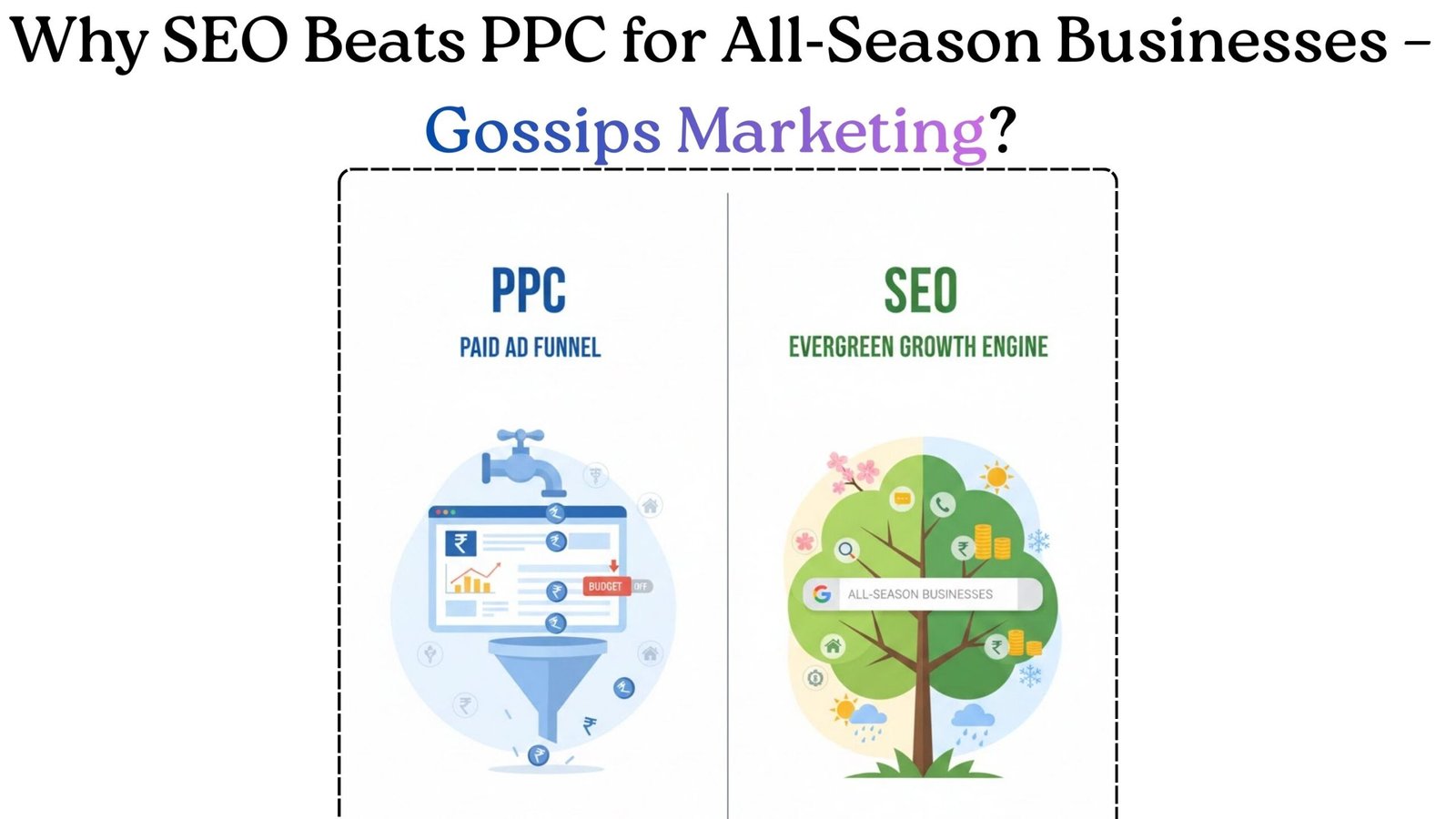
Why SEO Is Better Than PPC Today For All‑Season Businesses?
If a business runs 365 days a year like a clinic, real estate agency, coaching institute, SaaS product, or local…

Digital Hoardings in Jaipur: Low‑Cost, High‑Impact Branding for Local Businesses
Namaste guys, let’s start with a new update from Jaipur’s advertising scene digital billboards (digital hoardings) at Rambagh Circle and…

Business Not Running? The Ultimate Guide for Shop Owners to
Are you a shop owner who sits in the shop for hours and thinks: “Pehle jaise customer nahi aa rahe…”“Market me…

How ChatGPT Outage Stops the Digital World for a While?
Published: February 04, 2026 On February 4, 2026, ChatGPT experienced a significant outage affecting thousands of users across the United States….
Compliance vs. Web Benefit Debate
Another criticism is philosophical.
Some developers argue this proposal exists mainly to satisfy legal requirements rather than improve the web experience itself. If markup becomes driven purely by regulation, we risk adding complexity without real user benefit.
That doesn’t make the proposal wrong but it raises the bar for implementation quality.
SEO and Marketing Implications
From a search and content strategy angle, this proposal could eventually affect:
- Search engine transparency signals
- Trust indicators
- Content classification
- AI-content detection frameworks
- Publisher credibility metrics
At Gossips Marketing, we see this as an early-stage signal that AI transparency may become a ranking or trust factor in the future especially for news, finance, and health niches.
Right now, though, nothing is finalized.
Quick Q&A: AI Content Disclosure Proposal
Q1. What is AI content disclosure markup?
It’s a proposed HTML-based system to label whether content or parts of it are generated by artificial intelligence.
Q2. Why is it being proposed now?
Because upcoming EU regulations are pushing for machine-readable disclosure of AI-generated text, creating demand for a standard technical method.
Q3. Why is it controversial?
Because the proposal uses semantic HTML elements in ways that may conflict with accessibility rules and original element purposes.
Q4. Is this standard officially approved?
No. It is still under discussion and not yet a finalized web standard.
Q5. Will search engines require this?
Currently no. But search engines may adopt or interpret such signals in the future if a standard becomes widely accepted.
Q6. Does this affect SEO today?
Not directly but it’s something publishers and marketers should monitor closely.
Q7. What’s the main technical concern?
Misusing semantic elements like <aside> and <section> for AI labeling could harm accessibility and semantic clarity.
Q8. Should websites start implementing it now?
Not yet. Since the proposal is unsettled, early adoption could create technical debt if the standard changes.