
For most people, searching the internet automatically means using Google. Over the years, Google has become the default search engine for everything from simple questions to complex research. However, relying on just one search engine limits how we access information online. Not every user has the same priorities, and not every search query needs the same kind of results.
Today, many users are actively looking for alternatives to Google. Some want more privacy, others prefer AI-driven answers, while some need search engines that focus on specific regions or industries. This shift has led to the rise of several alternative search engines, each offering unique features and benefits that Google may not always provide.
In this blog, we’ll take a closer look at why alternative search engines matter, how they differ from Google, and which ones you should consider based on your needs.
Why People Are Looking for Google Alternatives
Google delivers fast and accurate results, but it also collects large amounts of user data. For privacy-conscious users, this has become a serious concern. Many people are uncomfortable with the idea that their searches, locations, and browsing habits are tracked and used for advertising purposes.
Another reason users explore alternative search engines is the commercial nature of Google’s results. In many cases, ads dominate the top positions, pushing organic results further down the page. This can make it harder to find unbiased or purely informational content.
Additionally, search behavior itself is changing. Users now want direct answers instead of just links, better explanations, and more control over how results are shown. These needs have opened the door for new search engines that focus on privacy, AI-powered search, or niche-specific results.
AI-Powered Search Engines Changing the Way We Search
Artificial intelligence has transformed how people interact with search engines. Instead of scanning multiple websites, users now expect summarized answers, contextual explanations, and the ability to ask follow-up questions.
ChatGPT-based search experiences are a strong example of this shift. These tools don’t just show results—they explain concepts, provide examples, and help users understand topics in depth. This is especially useful for research, learning, and content creation, where clarity matters more than speed.
Platforms like Perplexity AI take this concept further by providing answers along with source citations. This approach builds trust because users can verify where the information is coming from. AI-driven search engines are not meant to replace traditional search entirely, but they offer a powerful alternative for users who value understanding over quick clicks.
Read Also: How Search engines work
List of Alternative Search Engines
ChatGPT Search
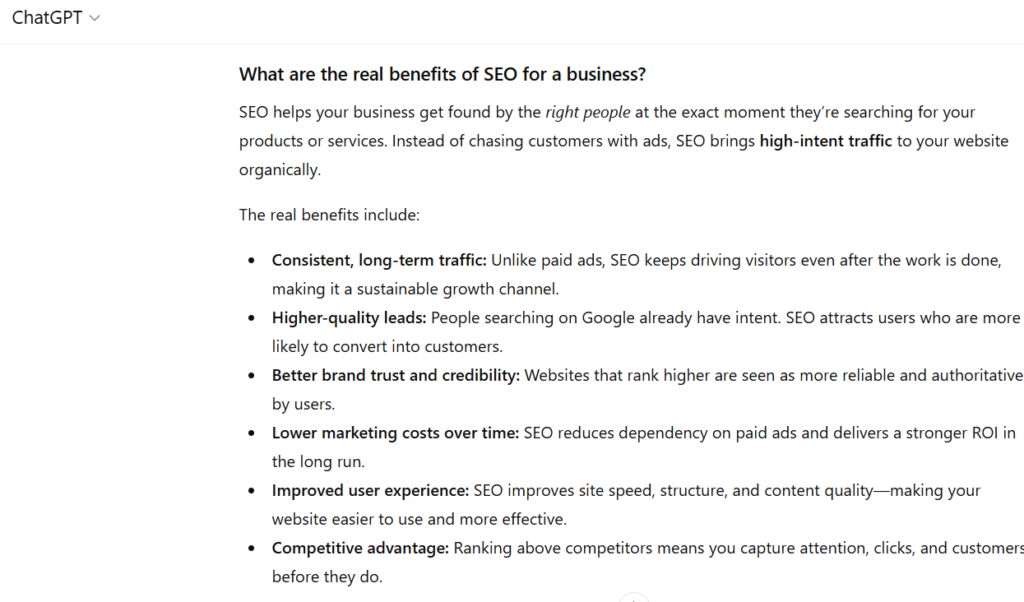
ChatGPT Search represents a shift from classic search toward conversational discovery. Rather than displaying a long list of links, it helps users understand topics through detailed explanations, summaries, and follow-up responses. This makes it especially useful for research, learning, and content exploration.
What sets ChatGPT Search apart is its ability to maintain context. Users can ask a question, then refine it, expand on it, or explore related ideas without starting over. For people who want clarity instead of endless clicking, this approach feels more natural and time-saving than traditional search engines.
Google AI Mode

Google AI Mode is Google’s attempt to integrate artificial intelligence directly into its search experience. It enhances standard search results by adding AI-generated summaries and insights at the top of the page, helping users quickly understand complex topics.
While it still relies on Google’s massive search index, AI Mode changes how information is presented. Instead of forcing users to open multiple links, it tries to answer questions upfront. This feature is particularly helpful for informational queries, comparisons, and early-stage research where users are still learning about a topic.
Perplexity.ai

Perplexity.ai has gained attention for combining AI-generated answers with clear source citations. This balance between automation and transparency makes it appealing to users who want reliable information without sacrificing trust.
Rather than overwhelming users with links, Perplexity summarizes key points and shows where the data comes from. This makes it a strong choice for students, professionals, and researchers who need quick insights while still being able to verify sources when required.
Read This: Social media for Real Estate
You.com
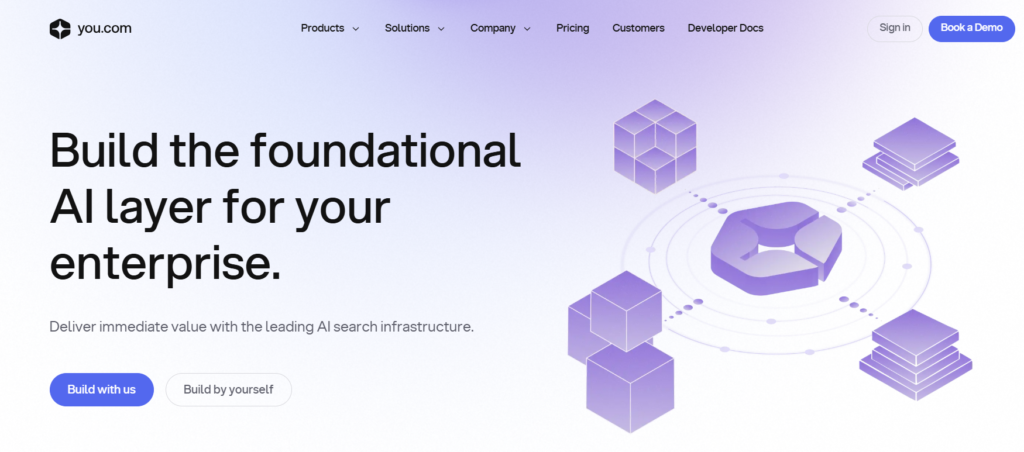
You.com positions itself as a customizable and privacy-friendly search engine powered by AI. Unlike traditional platforms, it allows users to control how their search results are displayed and which sources are prioritized.
The platform blends AI answers with traditional results, giving users flexibility instead of forcing a single format. For those who value personalization without heavy tracking, You.com offers a refreshing alternative that feels more user-centric than mainstream search engines.
Yep.com

Yep.com is an emerging search engine created by the team behind Ahrefs. Its core idea is simple but powerful: reward content creators instead of exploiting user data. Unlike most ad-driven platforms, Yep aims to share advertising revenue with website owners whose content appears in search results.
Although still growing, Yep.com appeals strongly to SEO professionals and publishers who care about a fairer web ecosystem. It focuses on privacy, avoids excessive tracking, and supports content creators—making it an ethical alternative worth watching.
Mainstream Alternative Search Engines
Although Google dominates the global search market, several mainstream search engines continue to serve millions of users worldwide. These platforms may not replace Google entirely, but they offer unique advantages such as privacy protection, sustainability, or specialized data handling that attract specific audiences.
Understanding these search engines is useful not only for users but also for SEO professionals who want broader visibility beyond Google.
Bing.com

Bing is Microsoft’s search engine and the second-largest search platform globally. It powers search results for several Microsoft products, including Windows devices, Cortana, and even Yahoo Search in many regions.
What makes Bing important for SEO is its slightly different ranking algorithm. Websites that may not perform well on Google sometimes rank better on Bing, especially those with strong multimedia content, clear on-page optimization, and authority signals. For brands targeting desktop users or enterprise audiences, Bing remains a valuable traffic source.
Yahoo.com
Yahoo Search is one of the oldest search engines and still maintains a loyal user base. Although Yahoo now uses Bing’s search technology, its interface, news integration, and content-heavy ecosystem create a different user experience.
From an SEO perspective, Yahoo can drive additional referral traffic, especially in regions and demographics where long-time users still rely on it for news, email, and finance-related searches.
Ecosia
Ecosia is a unique search engine that focuses on environmental sustainability. Its advertising revenue is used to plant trees around the world, making it popular among eco-conscious users.
While Ecosia relies on Bing’s search index, the brand’s strong ethical positioning attracts users who intentionally avoid Google. Businesses aligned with sustainability values can benefit from visibility on Ecosia, particularly in European markets.
KARMA Search
KARMA Search combines search functionality with social impact. A portion of its revenue is donated to charitable causes chosen by users, allowing them to contribute to social good simply by searching online.
Though smaller in scale, KARMA Search represents a growing trend where users prefer platforms that align with their personal values. For brands focused on purpose-driven marketing, this audience can be highly relevant.
DuckDuckGo
DuckDuckGo is one of the most popular privacy-focused search engines in the world. It does not track users, store personal data, or personalize results based on search history.
This makes DuckDuckGo especially attractive to users concerned about online privacy. For SEO professionals, DuckDuckGo reinforces the importance of strong content relevance, as rankings rely less on user behavior and more on content quality and authority.
Startpage
Startpage offers Google search results without Google tracking. It acts as a privacy shield by removing user identifiers before queries reach Google’s index.
Users who like Google-quality results but dislike data tracking often choose Startpage. This makes it a bridge between traditional search performance and privacy-first browsing.
Swisscows
Swisscows is a privacy-centric search engine based in Switzerland. It emphasizes family-friendly content and strict data protection standards.
The platform avoids tracking entirely and focuses on semantic understanding rather than behavioral data. This makes it popular among parents, educators, and privacy-conscious users.
Brave Search
Brave Search is developed by the team behind the Brave browser. Unlike many alternatives, Brave uses its own independent search index, reducing reliance on Google or Bing.
Its growing user base values transparency, privacy, and ad-free experiences. For SEO, Brave Search highlights the future importance of diversified indexing beyond traditional search engines.
Mojeek
Mojeek is one of the few search engines with a fully independent crawler and index. It does not track users and does not rely on third-party search data.
Although smaller in scale, Mojeek is important from an SEO experimentation perspective, as it rewards originality and clean website architecture.
WolframAlpha
WolframAlpha is not a traditional search engine. Instead of showing web pages, it computes answers using structured data.
It is widely used for mathematics, science, finance, and technical queries. For educational institutions and data-driven websites, WolframAlpha represents a completely different way users search for information.
International Search Engines
Search behavior varies significantly across countries, and many regions rely on local search engines rather than Google. For global SEO strategies, understanding international search engines is essential.
Baidu (China)
Baidu is the dominant search engine in China. It operates under strict local regulations and heavily favors Chinese-language content and locally hosted websites.
For businesses targeting the Chinese market, Google SEO alone is not sufficient. Baidu requires specific technical optimizations, hosting considerations, and content strategies.
Yandex (Russia)
Yandex is Russia’s leading search engine and performs particularly well for local and regional searches.
Its algorithm places strong emphasis on user intent, local relevance, and behavioral signals. Websites targeting Russian-speaking audiences must optimize specifically for Yandex rather than relying solely on Google practices.
Sogou (China)
Sogou is another major Chinese search engine, often used in combination with Baidu. It is popular for mobile searches and integrates deeply with Chinese digital platforms.
Optimizing for Sogou requires understanding Chinese search behavior, language nuances, and mobile-first indexing.
Naver (South Korea)
Naver dominates the South Korean search market and operates more like a content portal than a traditional search engine.
Instead of ranking external websites heavily, Naver prioritizes its own properties such as blogs, forums, and knowledge sections. Brands entering the Korean market must adapt their SEO strategy to fit Naver’s ecosystem.
Why These Search Engines Matter for SEO
Together, these mainstream and international search engines prove that search is not one-size-fits-all. User expectations around privacy, ethics, localization, and data accuracy are reshaping how people discover information online.
For SEO professionals and businesses, expanding focus beyond Google can unlock new audiences, reduce dependency on a single platform, and future-proof digital visibility.
Final Thoughts
Google will likely remain the most popular search engine for years to come, but it doesn’t have to be the only one you use. Alternative search engines offer unique advantages that cater to modern user needs such as privacy, transparency, AI assistance, and ethical values.
By understanding how different search engines work and when to use them, you can make smarter decisions and get better results from your searches. Exploring alternatives isn’t about rejecting Google—it’s about expanding your search experience.

[…] Pardeep Nama Alternative Search Engines: Exploring Options Beyond Google on January 24, […]
[…] Pardeep Nama Alternative Search Engines: Exploring Options Beyond Google on January 24, […]