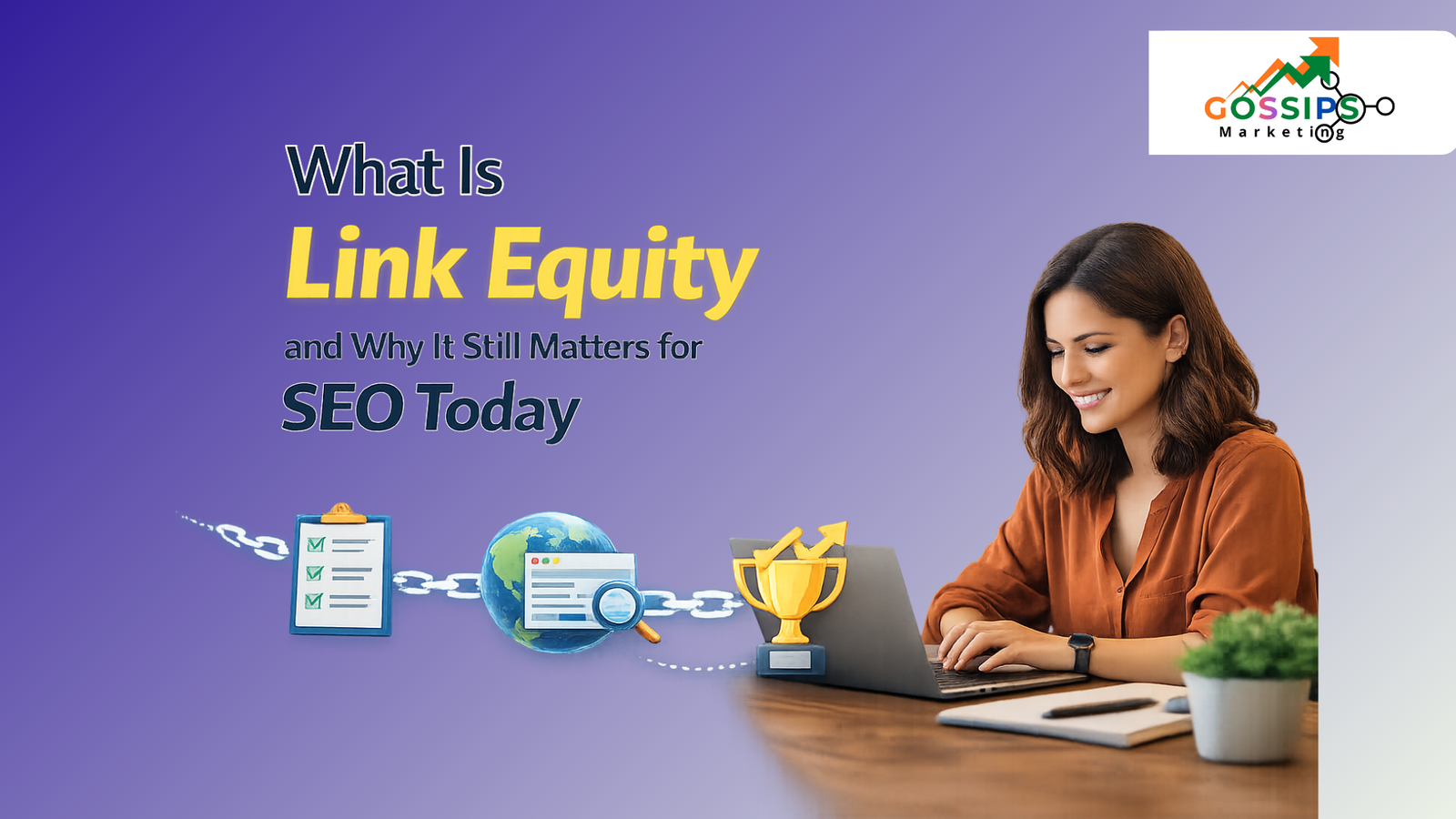
Link equity plays a major role in how search engines decide which pages deserve visibility. It influences rankings, crawling behavior, and even whether your content appears in advanced search features. Understanding how link equity works and how to manage it properly can make a measurable difference to your SEO performance.
Although internal and external linking have been part of SEO for years, many marketers now question whether link equity still holds weight in an AI-driven, zero-click search environment. The short answer is yes and in many ways, it’s more important than ever.
Link equity remains a confirmed ranking factor. It affects not only traditional organic rankings but also visibility in featured snippets, AI-powered overviews, and other enhanced search results. When used strategically, it can help your site compete even when users don’t click through traditional blue links.
This guide explains how link equity flows across your website, what strengthens or weakens it, and how to avoid common mistakes that can quietly damage your rankings during updates or migrations.

Top Online Digital Marketing Courses in India
If you are exploring online digital marketing courses in India in 2026, you’re entering one of the fastest-growing, most future-proof…

Digital Marketing Course Topics: Complete Syllabus for Beginners in 2026
If you want to learn digital marketing but feel confused about where to start, this guide will help you. Most beginners…
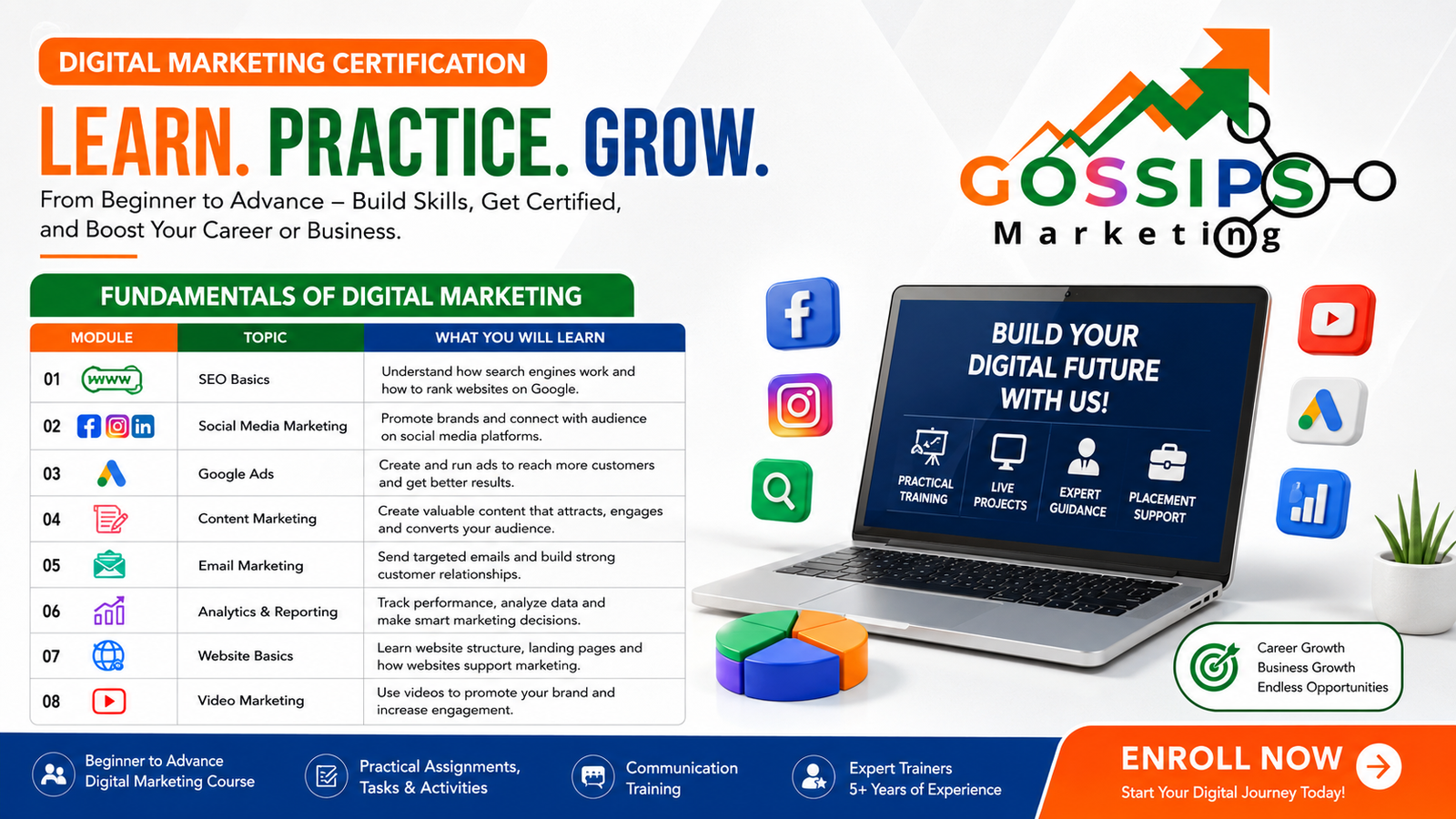
Digital Marketing Certification: A Smart Step for Career and Business
Today, every business wants to grow online. From small shops to big companies, everyone is using the internet to connect…
SEO Agency in USA for Small Businesses in 2026
In 2026, every small business needs a strong online presence to grow faster and reach more customers. A professional SEO…

AI SEO in 2026: Top Strategies to Rank Higher on
AI SEO is changing the future of digital marketing. Today, businesses are using AI powered SEO strategies to improve Google…
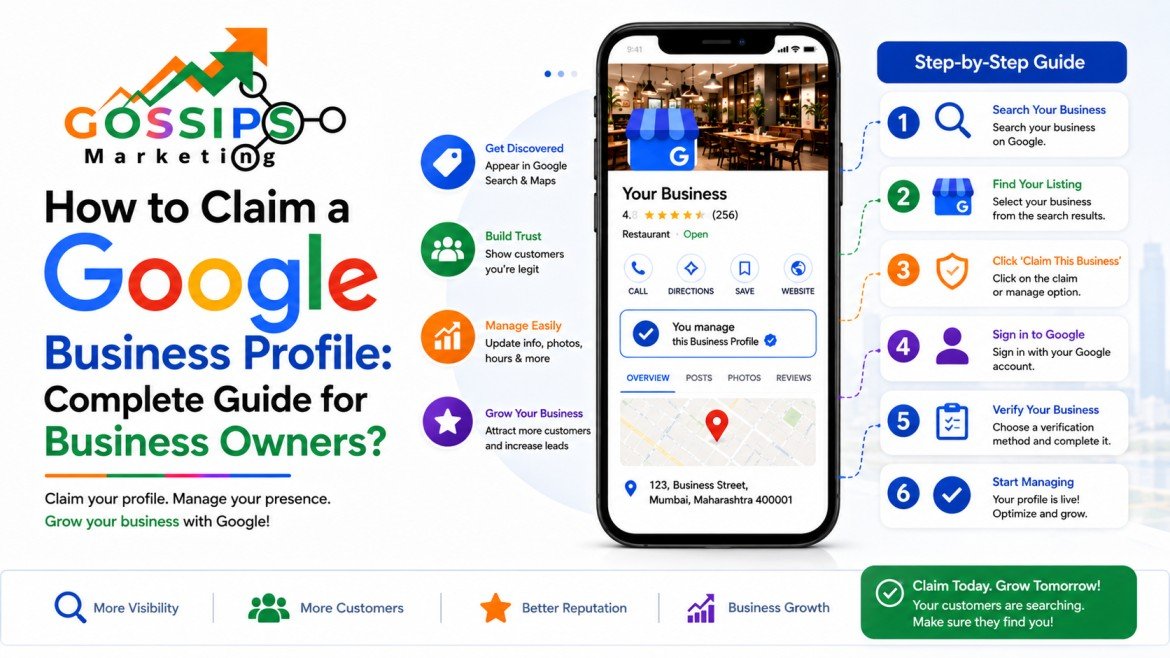
How to Claim a Google Business Profile: Complete Guide for
Introduction When someone searches your business name or “service + near me,” your Google Business Profile (GBP) is often the first…
Understanding Link Equity (Link Juice)
Often referred to as “link juice,” link equity describes the value or authority that one page passes to another through hyperlinks. When a reputable, trusted website links to your content, search engines interpret that link as a signal of trust, relevance, and quality.

Because of this, link equity contributes to how search engines evaluate a page’s importance. Pages with stronger equity often achieve higher visibility in search results, including:
- Standard organic listings
- Featured snippets
- AI overviews and generative search features
- Third-party AI tools and large language models
Beyond rankings, strong link equity offers additional benefits. Pages with higher authority are typically crawled more often, allowing new or updated content to be indexed faster. Quality links can also drive referral traffic from relevant websites. Over time, consistent link equity helps establish topical authority, signaling to search engines what your site is genuinely knowledgeable about.
Also Read: Best SEO Services in Jaipur
How Link Equity Flows Between Pages
Every link on your site plays a role in shaping how authority is distributed. When used thoughtfully, internal links can amplify ranking potential. When misused, they can waste valuable equity.
Page Authority Sets the Baseline
The amount of equity a page can pass depends on its own authority. A page supported by strong backlinks and solid visibility has far more value to share than a new or isolated page with no inbound links.
Placement and Context Matter
Links embedded within the main body of content typically pass more equity than those placed in footers, sidebars, or navigation menus. Editorial links — those placed naturally within relevant content are treated as stronger endorsements.
Context also matters. A link surrounded by related, meaningful text sends clearer relevance signals than a generic link placed without topical alignment.
Anchor Text Guides Relevance
Anchor text helps search engines understand what the linked page is about. While exact-match keywords aren’t required, descriptive anchor text improves how equity supports relevant topics.
Natural variation is key. Pages benefit from a mix of anchor phrases rather than repeated, rigid keyword usage.
Crawlability Enables Equity Transfer
Search engines can only pass equity through links they can crawl. Pages blocked by robots.txt, hidden behind rendering issues, or inaccessible through standard HTML links won’t receive full benefit.
Clean, crawlable internal links ensure equity flows efficiently across your site.
Internal vs. External Links
External backlinks often carry more authority per link, especially when they come from trusted domains. Internal links, however, offer scalability and control. When combined, external and internal links work together external links build authority, and internal links distribute it strategically.
How Technical Elements Affect Link Equity
Redirects and Equity Preservation
301 redirects pass most link equity and should be used for permanent URL changes. Redirect chains, however, can weaken equity with each additional step.
Best practices include minimizing redirect hops, using direct redirects, and auditing redirects regularly to avoid unnecessary loss.
Nofollow Links
Nofollow links were once treated as strict commands, but search engines now view them as hints. While they may pass limited value in some cases, excessive or careless use — especially on internal links — can block equity where it’s actually needed.
Use nofollow selectively for untrusted or paid links, not as a method for controlling internal authority flow.
Canonical Tags
Canonical tags help consolidate equity when multiple URLs contain similar or duplicate content. When implemented correctly, all authority flows to the preferred version, preventing dilution and confusion.
Incorrect canonical usage such as pointing to unrelated pages or conflicting with redirects can undermine their effectiveness.
Using Internal Linking to Shape Link Equity
Strategic internal linking allows you to guide equity toward pages that matter most while reinforcing topical relevance.
Hub-and-Spoke Content Models
Topic clusters organize content around a central hub page supported by detailed subpages. The hub links to related spokes, and spokes link back to the hub and to each other where relevant.
This structure consolidates equity on core pages while enabling supporting content to rank for long-tail keywords.
Prioritizing High-Value Pages
Not all pages deserve equal equity. Pages tied directly to revenue, conversions, or strategic keywords should receive stronger internal support.
A tiered structure often works well:
- Tier 1: Homepage, primary services, key conversion pages
- Tier 2: Category pages, major resources, pillar content
- Tier 3: Supporting blog posts and secondary pages
Automation vs. Manual Linking
Automation helps large sites scale internal links efficiently, but manual curation ensures relevance and user value. A hybrid approach often delivers the best results automated baseline linking combined with manual optimization for priority content.
Common Link Equity Mistakes to Avoid
Overusing Nofollow
Applying nofollow to internal links limits equity flow and is rarely beneficial. If a page shouldn’t receive equity, reconsider whether it should exist or whether deindexing is a better solution.
Creating Dead-End Pages
Pages with no outgoing links trap equity instead of distributing it. Adding contextual links improves both SEO performance and user experience.
Keyword Cannibalization
When multiple pages target the same keywords, they compete against each other. Consolidating content, refining keyword focus, and using clear hierarchies helps preserve equity signals.
Redirect Chains and Loops
Unnecessary redirect layers weaken equity and slow page performance. Regular audits and clear redirect mapping prevent these issues.
Poor Migration Planning
Site migrations without careful equity preservation can lead to significant ranking losses. Proper mapping, testing, and post-launch monitoring are essential.
Link Equity in AI-Driven and Zero-Click Search
Even as AI overviews and zero-click results grow, link equity remains relevant. Search engines and AI systems still rely on authority signals to determine which sources to trust and cite.
Studies show that sources appearing in AI overviews closely align with top organic results, reinforcing the importance of strong SEO fundamentals. Featured snippets, passage indexing, and Knowledge Graph inclusion all correlate with authority and link equity plays a role in that authority.
While clicks may shift, visibility and brand exposure still depend on ranking strength.
Building Sustainable Link Equity for Long-Term SEO
Link equity continues to be a foundational SEO signal. To build it effectively:
- Create content that genuinely earns links
- Regularly audit backlinks and internal linking
- Strengthen topical authority through structured content
- Plan technical changes carefully to protect equity
- Focus on long-term improvements rather than quick fixes
When managed strategically, link equity supports sustainable rankings, stronger visibility, and long-term search success even as search continues to evolve.