Real estate has changed dramatically in the last few years. Technology, shifting consumer behavior, and economic uncertainty have transformed how people discover, evaluate, and purchase property. Almost every serious buyer now starts their journey online, compares options digitally, and expects a seamless, information-rich experience from real estate brands.
In this environment, real estate digital marketing is no longer optional. It is the primary way to win more property listings, attract qualified buyers, build trust, and close deals at scale.
What Is Digital Marketing for Real Estate?
Real estate digital marketing is the strategic use of online channels and real estate tools to:
- Attract buyers and sellers
- Showcase property listings in the best possible way
- Build a recognizable and trusted real estate brand
- Generate and nurture qualified leads
- Reduce sales risk and accelerate deal closure
Key digital channels and tools include:
- Real estate websites and landing pages
- Property listing marketplaces and portals
- Social media platforms
- Email marketing and drip campaigns
- Search engine optimization (SEO) and content marketing
- Video marketing and 3D virtual tours
- Pay-per-click (PPC) and display / connected TV ads
- Marketing automation and CRM tools
- Retargeting and remarketing campaigns

Top Online Digital Marketing Courses in India
If you are exploring online digital marketing courses in India in 2026, you’re entering one of the fastest-growing, most future-proof…

Digital Marketing Course Topics: Complete Syllabus for Beginners in 2026
If you want to learn digital marketing but feel confused about where to start, this guide will help you. Most beginners…
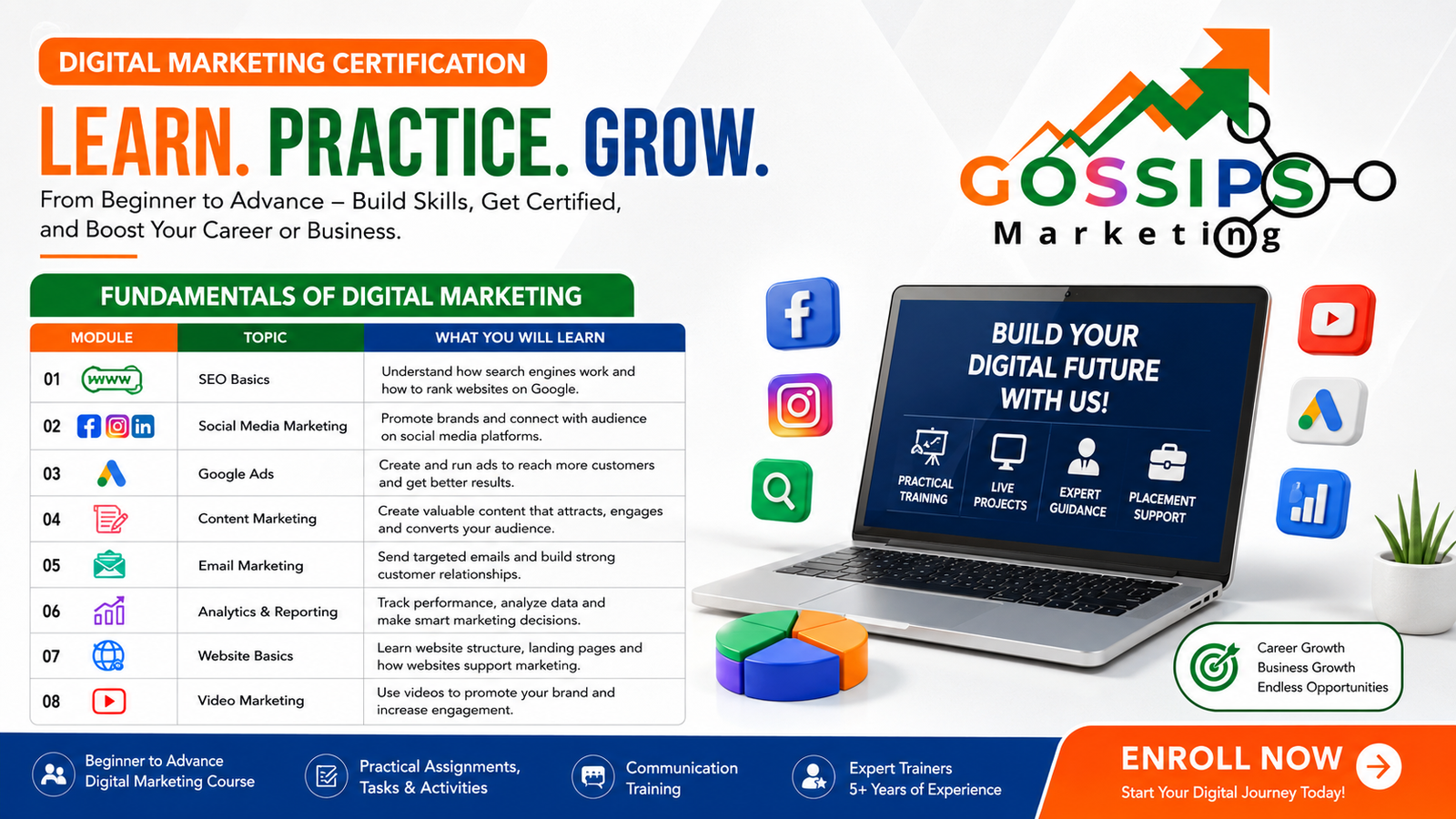
Digital Marketing Certification: A Smart Step for Career and Business
Today, every business wants to grow online. From small shops to big companies, everyone is using the internet to connect…
SEO Agency in USA for Small Businesses in 2026
In 2026, every small business needs a strong online presence to grow faster and reach more customers. A professional SEO…

AI SEO in 2026: Top Strategies to Rank Higher on
AI SEO is changing the future of digital marketing. Today, businesses are using AI powered SEO strategies to improve Google…
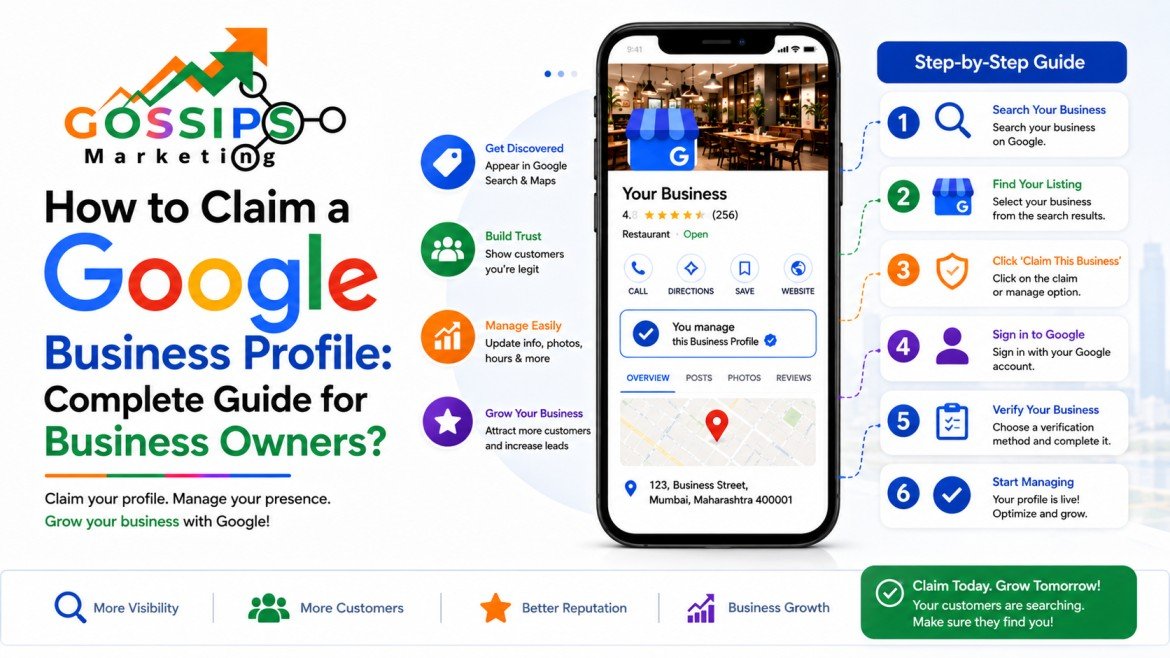
How to Claim a Google Business Profile: Complete Guide for
Introduction When someone searches your business name or “service + near me,” your Google Business Profile (GBP) is often the first…
When managed correctly, digital real estate marketing helps developers, brokers, and agents:
- Generate interest even before a project breaks ground
- Control how their story is told directly to end-buyers
- Build and own a large database of qualified leads
- Reduce sales risk and improve project performance over time
Why Digital Marketing Matters So Much in Real Estate
1. Your Customers Already Live Online
- Around 97-98% of real estate consumers search for properties online before making decisions.
- Buyers research locations, compare units, and check reviews long before contacting an agent.
Digital marketing allows you to:
- Make the first crucial connection with buyers
- Build awareness and trust long before a site visit
- Capture leads at multiple points in their buying journey
2. Technology Makes Great Real Estate Experiences Affordable
Modern real estate technology is powerful yet easy to use:
- 3D virtual tours and digital twins
- Virtual reality and interactive experiences
- HDR photography and 2D floor plans
- Live-streamed open houses and webinars
These tools help you:
- Showcase properties in an immersive, visual way
- Engage remote and international buyers
- Stand out from competitors with a high-end feel
- Deliver a premium real estate customer experience at relatively low cost
3. Digital Gives Access to Larger, Highly-Targeted Audiences
Online advertising platforms let you reach exactly the people you want, based on:
- Location and neighborhood
- Income levels and lifestyle
- Interests and purchasing patterns
- Past website and search behavior
Instead of waiting for buyers to find you, real estate digital marketing puts your brand and listings directly in front of your ideal audience.
Four Core Benefits of Digital Marketing for Realtors
1. Deep Customer Understanding Through Data & Analytics
With analytics tools, real estate agents can:
- Understand audience preferences, budgets, and locations
- See which listings and content get the most attention
- Refine media strategies for maximum impact
- Adjust campaigns quickly if performance drops
This data-driven view helps you recommend the right properties, tailor campaigns, and increase conversions.
2. Reaching Buyers at Every Stage of Their Journey
From curiosity to closing, buyers interact with multiple touchpoints:
- Google searches
- Real estate websites and blogs
- Social media posts and ads
- Property portals and mobile apps
- Email sequences and retargeting ads
A multichannel real estate marketing strategy ensures you are visible at every stage instead of relying on one channel like TV or print.
3. Showing Buyers Exactly What They Want, When They Want It
High-quality visual content is now a non‑negotiable:
- Professional photos and HDR imagery
- 3D virtual tours and digital twins
- 2D floor plans
- Short property videos and reels
- Infographics and educational visuals
These formats allow buyers to explore properties anytime, on any device. The more clearly and visually you communicate, the easier it is for buyers to imagine themselves in the space.
4. Measuring and Improving Marketing Performance
Digital marketing allows you to measure everything, such as:
- Website visits and user behavior
- Form submissions and lead generation
- Phone calls and appointment bookings
- Email open and click-through rates
- Ad impressions, clicks, and conversions
You can see which channels produce real results, reallocate budget to what works, and continuously refine your real estate marketing strategy.
Step 1: Build a Strong Online Presence for Your Real Estate Brand
Your online storefront is made up of:
- A lead-focused real estate website
- Property listing portals and review sites
- Active, strategic social media profiles
Design a User-Friendly, High-Converting Real Estate Website
Your website should:
- Be fully responsive and mobile-friendly
- Load fast on all devices
- Make it easy to browse listings and contact you
Key best practices:
- Dedicated Landing Pages
- Create location- and campaign-specific landing pages
- Tailor each page to a particular audience or offer
- Use tools like Google Analytics to tag and track performance
- Social Proof and Testimonials
- Showcase reviews from past clients
- Add case studies and success stories
- Use logos, awards, and credentials to build trust
- Virtual Tours and Rich Media
- Embed 3D virtual tours for featured properties
- Include 2D floor plans and high-resolution images
- Use preview videos and short clips to boost engagement
Amplify Your Reach with Marketplaces and Social Platforms
Create and maintain profiles on:
- Property marketplaces (national and local)
- Google Business Profile and review platforms
- Key social media channels (Facebook, Instagram, LinkedIn, YouTube, TikTok, etc.)
Best practices:
- Use high-quality images and detailed descriptions
- Keep property information updated (availability, price, features)
- Respond quickly and professionally to all inquiries
- Treat every interaction as an opportunity to strengthen communication with clients
Step 2: Attract Ideal Property Buyers Online
Once your presence is set up, the challenge is driving the right traffic to your listings.
The main pillars:
- Search engine optimization (SEO)
- Social media marketing
- Digital advertising (PPC, display, connected TV)
Real Estate SEO: Get Found by Buyers on Search Engines
SEO helps your website appear higher in search results when buyers type queries like:
- “homes for sale in [city]”
- “commercial real estate for sale in [area]”
- “best real estate agents near me”
Core SEO actions:
- Keyword Research
- Identify what buyers are actually searching for
- Use tools like SEMrush, Moz, and Google Keyword Planner
- Focus on location-based, intent-based, and feature-based searches
- Location-Specific Landing Pages
- Create pages for specific cities, neighborhoods, or projects
- Example: “Homes for sale in San Francisco”, “Commercial real estate for sale in SF”
- Include listings filtered by that area, local amenities, and lifestyle insights
- On-Page Optimization
- Use target keywords in titles, headings, meta descriptions, and content
- Make sure copy is natural and helpful—avoid keyword stuffing
- Add internal links between related pages and blog posts
- Backlink Building
- Get listed in local directories and industry sites
- Guest post on reputable real estate and marketing blogs
- Encourage reviews and mentions from partners and clients
Social Media Marketing: Grow Your Sphere of Influence
Social media allows you to:
- Expand your real estate sphere of influence
- Build consistent visibility with your network
- Educate, engage, and nurture leads over time
Platform selection:
- Facebook: broad reach, versatile content
- Instagram / TikTok: ideal for short-form video and younger audiences
- LinkedIn: especially effective for commercial real estate marketing and B2B networking
- YouTube: perfect for longer video tours and educational content
Best practices:
- Post regularly and consistently when your audience is most active
- Respond to comments and questions with useful information
- Share high-quality visuals, GIFs, and short teaser videos
- Use live streaming for open houses or Q&A sessions
- Mix listings with helpful tips about neighborhoods, contracts, financing, and market trends
Digital Advertising: PPC, Display & Connected TV
Paid campaigns help you reach motivated buyers faster.
- Define Your Target Audience
- Work with your marketing team or agency to define clear personas
- Use interest and behavior-based targeting where allowed
- Follow all fair housing regulations (some platforms restrict targeting by zip code, age, gender, etc.)
- Set Clear Goals and Track ROI
- Decide if the goal is leads, traffic, branding, or sales
- Use conversion tracking to connect ad spend with real outcomes
- Measure cost per lead, cost per acquisition, and return on ad spend
- Create Compelling Ads
- Use strong visuals, property photos, and short videos
- Write copy that directly addresses audience pain points and desires
- Test multiple creatives, headlines, and CTAs
- Choose the Right Channels
- Search engine marketing (SEM) like Google Ads
- Social media advertising (Facebook, Instagram, LinkedIn)
- Display advertising and remarketing banners
- Connected TV, which combines TV reach with digital targeting and measurement
Step 3: Re‑Engage Interested Buyers and Close More Sales
In a long real estate sales cycle, a buyer may look at dozens of homes over weeks or months. Staying top-of-mind is critical.
Two powerful tools:
- Email marketing
- Retargeting / remarketing ads
Email Marketing: Stay Top-of-Mind with Valuable Communication
Use email to maintain relationships with:
- Buyer’s agents and brokers
- Past clients and warm leads
- New subscribers from your website and campaigns
Key tactics:
- Drip Campaigns
- Automated sequences that deliver educational, informative, or promotional content over time
- Example: A broker marketing campaign for commercial spaces, amenities, updated availability, and nearby attractions
- Segmentation and Personalization
- Segment by location, budget, property type, stage in journey, etc.
- Personalize emails with name, saved searches, or viewed properties
- Share tailored recommendations, like customized 3D tours with specific Mattertags or notes
Retargeting Ads: Bring Back Qualified Prospects
Retargeting allows you to reconnect with people who:
- Visited your website or listing pages
- Opened your emails or clicked links
- Showed interest in specific property categories
Best practices:
- Segment audiences by behavior (page viewed, time spent, interest level)
- Use compelling visuals drawn from your property media
- Personalize messaging based on what they previously viewed
- Run campaigns across multiple channels (search, display, social)
- Take advantage of the higher click-through rates retargeting delivers compared to standard ads
Advanced Real Estate Digital Marketing Ideas
Real Estate Market Analysis
Use tools like SEMrush and Moz to:
- Analyze competitor visibility and keywords
- Understand audience demand and popular searches
- Find gaps and opportunities in your market
- Focus your budget on the channels and campaigns with the highest ROI
High-Impact Real Estate Video Marketing
Video content is expected to account for the majority of web traffic and can significantly boost revenue. For real estate, use:
- Virtual tours and walkthroughs
- Short social clips and reels
- Live-streamed open houses
- Educational explainers and animations
Keep videos:
- Short, clear, and engaging
- Optimized for both your website and social platforms
- Professionally presented, even if shot with simple equipment
Authentic Real Estate Marketing
Today’s digital customer is:
- Savvy, informed, and impatient
- Looking for quick, relevant, and credible information
Focus on:
- Educational, supportive content rather than pure selling
- Tips about neighborhoods, contracts, financing, and lifestyle
- Showcasing the destination and lifestyle, not just the walls and floor area
Real Estate Marketing Automation
Because only consistent high-quality content wins online, automation tools can:
- Segment and organize your email list
- Automatically send the right message at the right time
- Track engagement and behavior
- Help manage social media, landing page tests, and ROI reports
This reduces manual workload and ensures your real estate digital marketing strategy runs smoothly.
Personalized Real Estate Email Marketing
- Collect subscriber emails ethically and transparently
- Share project updates, new listings, and genuine buying advice
- Categorize subscribers (age, region, budget, interests, etc.)
- Send relevant content to each group instead of generic blasts
SEO Best Practices for Real Estate (Without Keyword Stuffing)
SEO real estate marketing is a long-term play, often taking 6-12 months to show strong results, but the payoff is high-quality free traffic.
Key steps:
- Conduct proper search engine and SEO research
- Identify high-volume and relevant keywords for your market
- Integrate keywords naturally into blogs, landing pages, and property descriptions
- Build strong backlinks from industry and local sites
- Avoid stuffing irrelevant keywords that could trigger penalization
Hiring an experienced real estate SEO expert can accelerate setup and help you build an effective, sustainable strategy.
Embrace the Mobile Revolution
- A large share of buyers use mobile property apps and portals
- Your website must adapt seamlessly to any device
Mobile optimization includes:
- Responsive design
- Visually appealing, mobile-friendly content
- Readable fonts, clean colors, and well-spaced paragraphs
- Quick page loading and easy navigation
Stay on Your Client’s Mind with Real Estate Ad Retargeting
Real estate transactions have a long decision cycle. Retargeting ads help:
- Remind buyers of properties they liked
- Keep your brand visible across the web
- Generate up to 10x higher click-through compared to regular ads
Use retargeting to:
- Show previous visitors updated listings or offers
- Highlight limited-time deals or new units in the same project
- Guide serious buyers back to contact forms or booking pages
Key Benefits of Real Estate Digital Marketing (Recap)
- Your customers are already searching for real estate online
- Great real estate tech is powerful yet affordable
- Digital channels give access to larger, more engaged audiences
- You can precisely target, track, and optimize marketing efforts
- You can generate leads earlier, nurture them intelligently, and convert more efficiently
[…] Read Also:- How to Grow Your Real Estate Business Using Digital Marketing in 2026? […]